Web Content Author-Bright Healy
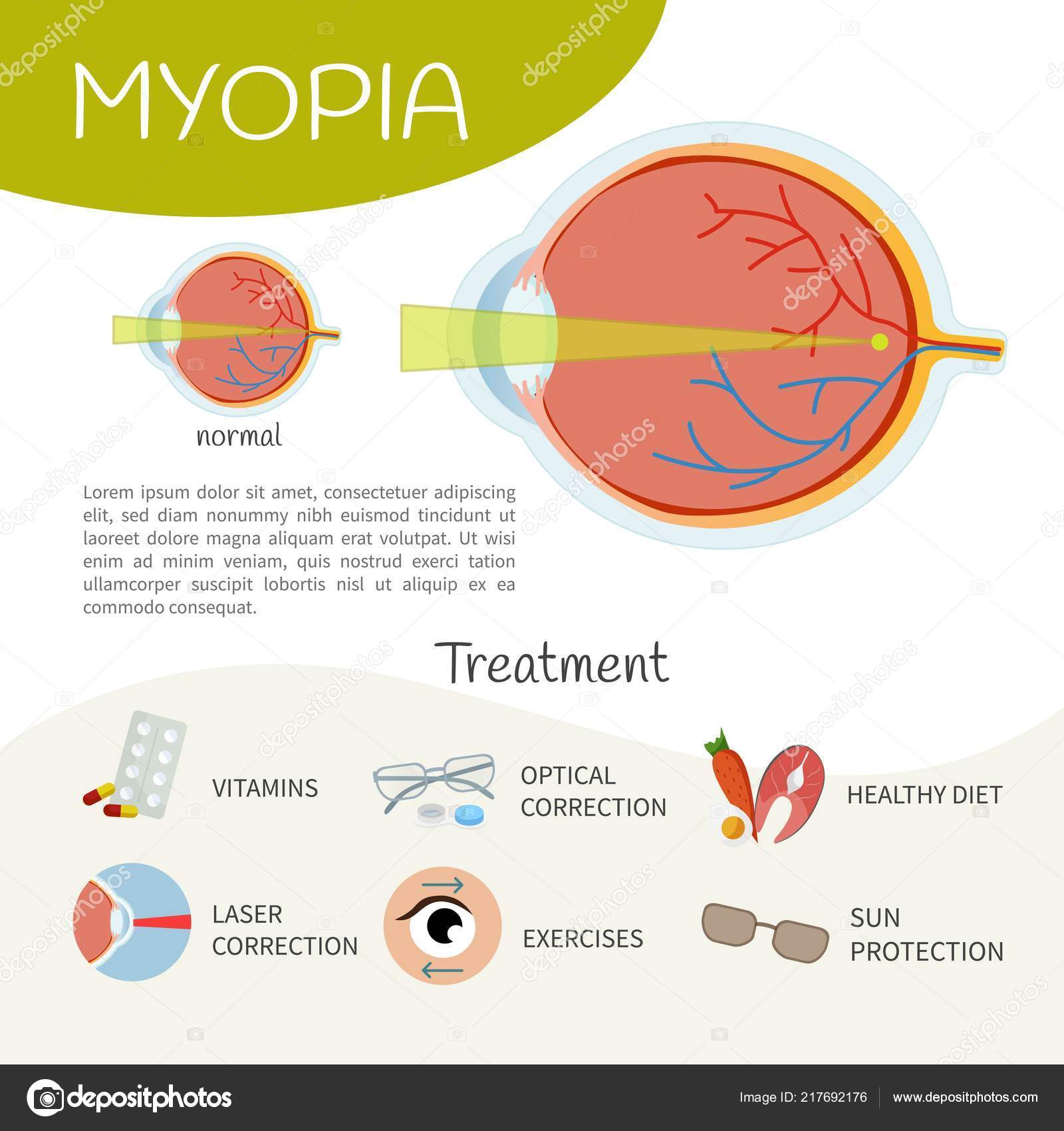
Recently, developments in eye surgery have altered the way we view vision correction, making procedures more precise and successful than ever before. One of the most innovative developments is SMILE eye surgery, a cutting-edge laser technique designed to treat myopia and nearsightedness. With its less invasive approach and noteworthy outcomes, many people are curious to learn about what sets SMILE apart from standard procedures.
For those considering corrective eye surgery, learning about SMILE is crucial. This groundbreaking procedure offers several benefits, including quicker recovery times and minimized discomfort compared to other options like PRK. In this article, we will discuss the details of SMILE eye surgery, covering everything from how the procedure works to its financial aspects and risks. Whether you're looking to get rid of your glasses or contact lenses, the journey from poor eyesight to brilliance may just lie with SMILE eye surgery.
What Is the SMILE Eye Surgery?
SMILE, or Small Incision Lenticule Extraction is an advanced laser vision correction procedure intended mainly to address myopia. This novel technique has gained popularity due to its non-intrusive methodology and notable outcomes. Throughout the SMILE process, a laser is employed to generate a small, precise lenticule within the cornea, which is then extracted through a tiny incision, thus reshaping the cornea and boosting vision.
In contrast to traditional LASIK procedures, SMILE does not necessitate the making of a corneal flap, making it simpler and reducing the risk of complications associated with flap creation. The entire procedure typically takes approximately 30 minutes, and it is performed on an outpatient basis. Patients often undergo quick recovery times, going back to their regular activities after a day or two, making SMILE a user-friendly option for those seeking vision correction.
The gains of SMILE Eye Surgery extend beyond its effectiveness and ease of use. Many patients claim high levels of satisfaction with their enhanced vision, and the technique has been shown to lead to minimal dry eye symptoms in comparison with other laser techniques. As new innovations continue to arrive in laser eye surgery, SMILE is recognized as an efficient treatment for those struggling with nearsightedness, offering a clear path from blurry to brilliant vision.
### Benefits and Costs of SMILE Surgery
A key advantage of SMILE laser eye surgery is its minimally invasive nature. Unlike traditional LASIK, which requires a flap to be created in the cornea, SMILE utilizes a tiny cut that reduces the risk of complications and maintains the structural integrity of the cornea. This leads to quicker recovery times and reduced pain after surgery for patients. Many individuals experience improved vision almost immediately and are able to return to their daily activities sooner.
When considering SMILE surgery, the costs can vary based on factors such as the surgeon’s experience, the technology used, and the location of the clinic. Generally, https://mgyb.co/s/BEIXp of SMILE surgery is similar to that of LASIK, with prices typically between $2,000 and $4,000 per eye. It is important for prospective patients to speak to different practices to understand the exact prices, as some may offer payment plans or package deals that can alleviate the costs.
In addition to the immediate benefits and costs, patients should also consider the long-term advantages of SMILE surgery. Many individuals find that they achieve stable vision correction without the need for glasses or contact lenses. This can lead to considerable cost savings as the ongoing costs of corrective lenses and related eye care diminish. Moreover, the elevated patient satisfaction underscore the success of SMILE surgery, making it a compelling option for those seeking a solution to myopia or shortsightedness.
SMILE Vision Procedure Procedure and Recovery
The SMILE vision procedure is minimally invasive and typically takes less than 30 minutes for each eye. During the surgery, a precision laser is used to create a tiny lens-shaped piece of corneal tissue within the cornea, which is then removed through a tiny opening. This technique reshapes the design of the cornea to correct nearsightedness, also known as near vision deficiency. Unlike traditional LASIK, which needs the creation of a flap in the cornea, this technique preserves the integrity of the corneal tissue, potentially leading to a lower chance of issues.
Healing from small incision lenticule extraction vision procedure is typically swift and smooth. Many individuals report enhanced sight in just a few days, with most going back to their regular routines after a week. Post-operative care typically includes applying prescribed ophthalmic drops and attending follow-up check-ups to ensure proper recovery. It is important for individuals to avoid strenuous activities and protect their vision from irritants during the first phase of recovery.
Overall, the benefits of the SMILE procedure extend beyond just quick healing. Individuals often report lessened eye dryness and irritation compared to other laser eye surgeries. The precision of the SMILE technique can result in superior results, making it an attractive option for those looking for a durable solution to nearsightedness. As with any surgical methods, discussing possibilities and what to expect with a certified vision care professional is essential for optimal results.
Comparison: Small Incision Lenticule Extraction vs. Photorefractive Keratectomy
When considering laser eye surgeries, two popular options are Small Incision Lenticule Extraction and PRK. mouse click the next internet page , which stands for SMILE, is a soft procedure that involves creating a tiny incision to remove a lens of corneal tissue. In contrast, Photorefractive Keratectomy, or PRK, involves removing the outer layer of the cornea to reshape its surface. While both procedures aim to correct vision problems like shortsightedness, they differ significantly in their techniques and post-operative experiences.
One of the main distinctions between Small Incision Lenticule Extraction and PRK is the post-operative recovery. Patients undergoing Small Incision Lenticule Extraction often experience minor discomfort post-operation and a more rapid visual recovery, with many achieving stable vision within a few days. In comparison, PRK patients may experience more discomfort initially and take longer to heal, as the epithelial layer of the cornea needs to recover after the procedure. This can result in a prolonged duration for clear vision, making SMILE a attractive option for those seeking a faster recovery.
Cost is another crucial factor to consider. Typically, SMILE laser eye surgery cost is comparable to or a bit more expensive than that of PRK. Patients should weigh the pros of a briefer recovery time and minimized discomfort against the costs of each procedure. Ultimately, the choice between Small Incision Lenticule Extraction and PRK will depend on specific requirements, likes, and the specific recommendations of ophthalmologists.